
Category: Trauma + Healing
-

How PTSD Shows Up in Behavior: Beyond the Mind
PTSD doesn’t just live in the mind—it shows up in the body, emotions, and behavior in ways that can be confusing or misunderstood. Many trauma survivors are told they’re “overreacting,” “too sensitive,” or “unmotivated.” In truth, their nervous systems are doing everything possible to stay safe. Understanding these behavioral impacts helps us replace judgment with…
-

Cognitive Distortions and Trauma: When Your Brain Lies to Protect You
You’re Not Broken—You’re Wired for Survival If you’ve lived through trauma, you’ve probably found yourself wondering, “Why do I always think the worst?”, “Why can’t I believe good things about myself?”, or “Why do I blame myself for everything?” The answer often lies in something called cognitive distortions—automatic, distorted ways of thinking that helped you…
-

When Exploding Feels Like the Only Way to Be Heard: Reactive Abuse and Deaf Experiences
By Joy Plote, Coda Counselor | The Space Between Most people think abuse looks like yelling, hitting, or cruel words. But what happens when someone stays quiet for years… until one day, they finally explode? In the Deaf community, that explosion is often misunderstood. What if the person being labeled as “abusive” is actually reacting…
-

Taking the Wheel: Understanding Locus of Control in Healing and Growth
What do you believe drives the course of your life? Is it your effort and decisions — or is it luck, fate, or what others do to you? This belief is called locus of control, and it has a powerful impact on how we heal, grow, and show up in the world. So, what is…
-

A Seat at the Table: Why Codas Must Speak Out on Deaf Education and Intergenerational Trauma
Intergenerational trauma does not exist in isolation—it is deeply rooted in the choices, struggles, and dynamics passed down through families. For Codas (Children of Deaf Adults), the legacy of educational and linguistic decisions made by our hearing grandparents has profoundly shaped our lives. Yet, our experiences are often dismissed or undervalued in conversations about Deaf…
-

Eye Movement Desensitization and Reprocessing (EMDR): A Therapy for Trauma Healing
Eye Movement Desensitization and Reprocessing (EMDR) is an evidence-based psychotherapy designed to help individuals process and heal from trauma, PTSD, anxiety, and distressing life experiences. Developed by Dr. Francine Shapiro in the late 1980s, EMDR helps people reprocess painful memories so they no longer cause intense emotional distress. Unlike traditional talk therapy, EMDR focuses on…
-
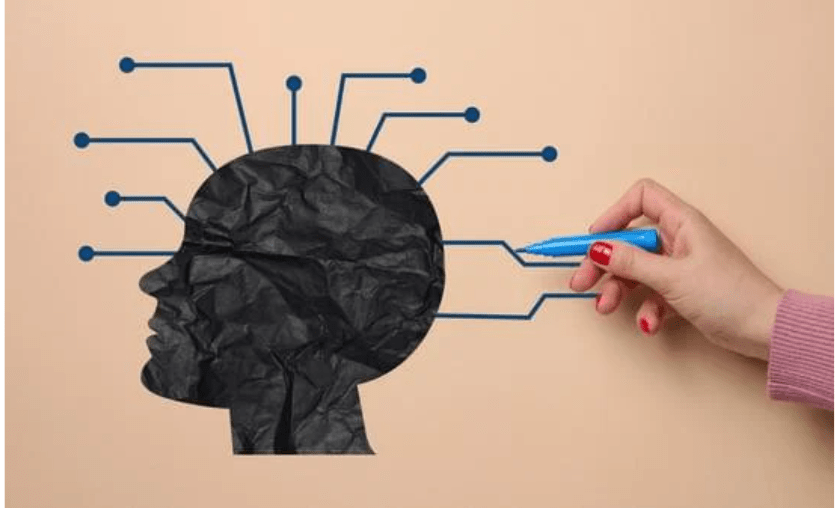
Brainspotting: Unlocking Trauma Through the Power of the Mind-Body Connection
Brainspotting, a therapeutic approach developed by Dr. David Grand, is revolutionizing the way trauma, emotional pain, and psychological issues are processed. Rooted in neuroscience, Brainspotting focuses on identifying and working with “brainspots,” specific eye positions that correlate with unresolved trauma or emotional experiences. By targeting these brainspots, this therapy allows individuals to process and release…
-

Persistent Demand for Autonomy: The Other Side of Demand Avoidance
Persistent Demand for Autonomy: The Other Side of Demand Avoidance When discussing Pathological Demand Avoidance (PDA) or general demand avoidance, the focus is often on resistance to demands. However, the other side of this equation—the persistent demand for autonomy—is just as important to understand. For individuals with PDA, autonomy isn’t just preferred—it is essential for…
-

Parentification: The Hidden Struggle for Codas
In the ideal family dynamic, parents nurture and children thrive. However, for many Children of Deaf Adults (Codas), the family structure takes on a different shape. Codas often find themselves navigating adult responsibilities at an early age, a phenomenon known as parentification. While some may adapt to these roles temporarily, others face long-term emotional and…
-

What Australia’s Reports Reveal About Abuse in the Deaf Community
Australia’s Royal Commission into Violence, Abuse, Neglect, and Exploitation of People with Disability sheds light on a deeply troubling reality: Deaf individuals face disproportionately high rates of abuse, neglect, and exploitation. This March 2021 report, prepared by the Centre of Research Excellence in Disability and Health, offers a sobering insight into the challenges Deaf individuals…
 the Coda Counselor