Tag: education
-

Theory of Mind and the Deaf Experience: Why Language Access Matters
When we talk about human connection, we often think of empathy — our ability to understand how someone else feels. But underneath empathy lies something even more fundamental: Theory of Mind (ToM). It’s our brain’s ability to recognize that other people have thoughts, beliefs, and emotions that are separate from our own. For most hearing…
-

Taking the Wheel: Understanding Locus of Control in Healing and Growth
What do you believe drives the course of your life? Is it your effort and decisions — or is it luck, fate, or what others do to you? This belief is called locus of control, and it has a powerful impact on how we heal, grow, and show up in the world. So, what is…
-
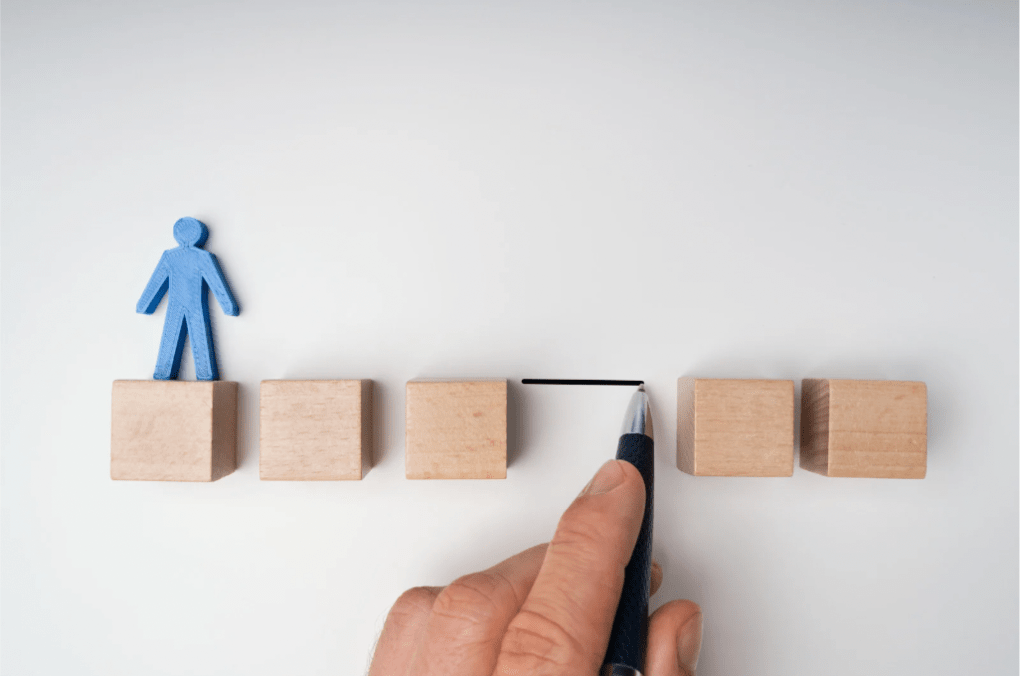
Filling the Gaps: The Role of Cloze Skills in Adaptive Information Processing for Deaf Individuals
Introduction Cloze skills, the ability to infer and complete missing information using context, are foundational to literacy and cognitive integration. These skills involve drawing on vocabulary, syntax, and world knowledge to fill in blanks within a text or situation. For many Deaf individuals, particularly those who have experienced language deprivation, cloze skills may be underdeveloped…
-

Are Codas Neurodivergent? A Deep Dive into the Coda Brain
Abstract Children of Deaf Adults (Codas) grow up navigating two linguistic and cultural worlds, acquiring both a signed and spoken language. This bimodal bilingualism presents unique cognitive, sensory, and executive function adaptations that align with contemporary understandings of neurodivergence. This article examines the intersection of bimodal bilingualism, high intelligence, and neurodivergence in Codas, arguing that…
-

The Real Barriers of Deafness: Society’s Role in Creating Exclusion and Inequality
The social model of disability, developed in response to the medical model, argues that disability is not an inherent attribute of an individual but a result of the interaction between individuals and an environment that does not accommodate their needs. For Deaf individuals, this means their suffering often arises not from their deafness but from…
-

Are Deaf Trauma Responses Different? A Closer Look at the Unique Impacts of Trauma on the Deaf Community
Trauma is a deeply personal experience that anyone can experience, but for members of the Deaf community, its effects often are compounded by unique cultural, linguistic, and systemic challenges. These challenges contribute to trauma responses that may differ in expression or origin from those of hearing individuals. This post examines 11 specific trauma responses observed…
-
Language Deprivation: A Silent Crisis in Brain Development
Language is the foundation of human connection, learning, and thought. For Deaf children, access to an accessible language—such as sign language—during critical developmental years is essential not just for communication but for brain health and cognitive resilience. Yet, many Deaf children experience language deprivation, a condition with far-reaching implications for their neural development, cognitive abilities,…
-
Codas as Bimodal Bilinguals
Imagine growing up with a “superpower” that lets you fluently navigate two distinct worlds, each with its own language, culture, and way of thinking. For Codas (Children of Deaf Adults), being bimodal bilinguals—able to communicate in both a spoken and a signed language—is exactly that! This incredible skill opens up unique cognitive abilities and enhances…
 the Coda Counselor