
Tag: Coda
-

What is a Trauma Bond?
Trauma bonding refers to the intense emotional connection that develops between an individual and someone who is abusive, exploitative, or manipulative. These bonds are often created and reinforced through cycles of abuse, where moments of harm are interspersed with periods of kindness, affection, or remorse. This pattern creates confusion and a deep attachment to the…
-

Internal Family Systems (IFS): Understanding and Healing Your Inner Parts
Internal Family Systems (IFS) is a transformational therapy model developed by Dr. Richard Schwartz that views the mind as a system of different “parts” that interact within us, much like members of a family. Instead of seeing ourselves as a single, unified self, IFS helps us understand that we are made up of multiple parts—each…
-
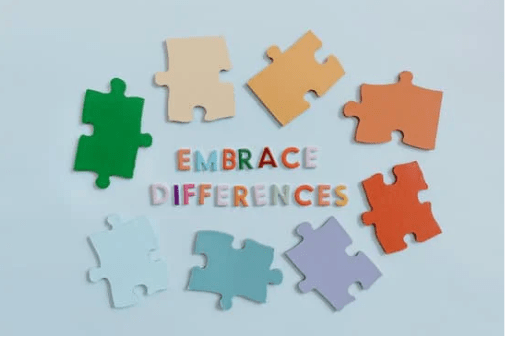
Understanding Dialectics: Embracing Opposing Truths for Growth
Dialectics is a way of thinking that embraces contradictions and acknowledges that two opposing ideas can both be true at the same time. Rather than viewing things in black-and-white terms, dialectical thinking helps us hold multiple perspectives, accept complexity, and find balance in difficult situations. Dialectics is a core concept in Dialectical Behavior Therapy (DBT)…
-

The Power of Validation: How to Strengthen Relationships Through Emotional Understanding
In any relationship—whether with a partner, child, friend, or colleague—one of the most powerful ways to foster trust and connection is through validation. Validation means recognizing and affirming another person’s emotional experience, helping them feel seen, heard, and understood. Unfortunately, many people were not taught how to validate emotions. Instead, the instinct is to fix,…
-

Emotional Regulation for Parents: How to Break the Cycle and Create a Stable Home
Parenting is one of the most challenging and emotionally demanding roles a person can take on. When a parent struggles with emotional dysregulation, it can lead to inconsistent responses, unpredictable reactions, and difficulty providing a sense of safety for their child. The good news? Emotional regulation is a skill that can be learned, practiced, and…
-

Understanding Self-Harm Beyond Physical Injury: A Look at Emotional Self-Punishment and Coping Mechanisms
When we think of self-harm, many people immediately picture physical injury — cutting, burning, or bruising. But self-harm isn’t always confined to these physical actions. It can take many forms, some of which might not be as obvious to others. Beyond the surface-level wounds, there are subtle but equally harmful behaviors that can significantly affect…
-

How EMDR Therapy Can Help Alleviate Fibromyalgia Symptoms: New Insights and Evidence
Fibromyalgia (FM) is a chronic condition that causes widespread pain, fatigue, and sleep disturbances, often accompanied by emotional distress like anxiety and depression. While medications can offer some relief, they often come with side effects and don’t always address the root causes of the condition. One exciting new approach gaining attention is Eye Movement Desensitization…
-

Executive Dysfunction, Trauma, and EMDR: How Trauma Contributes to Executive Dysfunction and How EMDR Can Help
Understanding Trauma and Executive Dysfunction Trauma is a powerful and often overwhelming experience that can significantly impact a person’s mental, emotional, and physical health. Trauma, whether from childhood abuse, emotional neglect, accidents, violence, or other distressing experiences, can leave lasting imprints on the brain. These imprints, known as traumatic memories, affect how individuals process and…
-
What is Executive Dysfunction?
Executive dysfunction refers to difficulties with the cognitive processes that are responsible for goal-directed behaviors, decision-making, problem-solving, and self-regulation. These cognitive processes, known as executive functions, allow individuals to plan, organize, manage time, regulate emotions, and complete tasks in a coherent and efficient manner. When these functions are impaired, individuals may experience challenges in managing…
-

The Importance of the Non-Verbal Healing Process: How Body and Mind Work Together to Heal Trauma
Healing from trauma is a complex and deeply personal journey. For many individuals, traditional talk therapies can be a useful tool in understanding and processing their past experiences. However, these approaches often overlook the profound role that the body and non-verbal processes play in trauma recovery. Emerging therapies such as EMDR, Brainspotting, Somatic Experiencing, and…
 the Coda Counselor