
Category: Therapeutic Approaches
-

Internal Family Systems (IFS): Understanding and Healing Your Inner Parts
Internal Family Systems (IFS) is a transformational therapy model developed by Dr. Richard Schwartz that views the mind as a system of different “parts” that interact within us, much like members of a family. Instead of seeing ourselves as a single, unified self, IFS helps us understand that we are made up of multiple parts—each…
-

Acceptance and Commitment Therapy (ACT): A Guide to Psychological Flexibility
Acceptance and Commitment Therapy (ACT) is a third-wave cognitive-behavioral therapy (CBT) approach that focuses on increasing psychological flexibility—the ability to adapt to challenges, accept difficult emotions, and take meaningful action in alignment with one’s values. Developed by Dr. Steven C. Hayes, ACT helps individuals stop struggling with their thoughts and emotions and instead learn to…
-
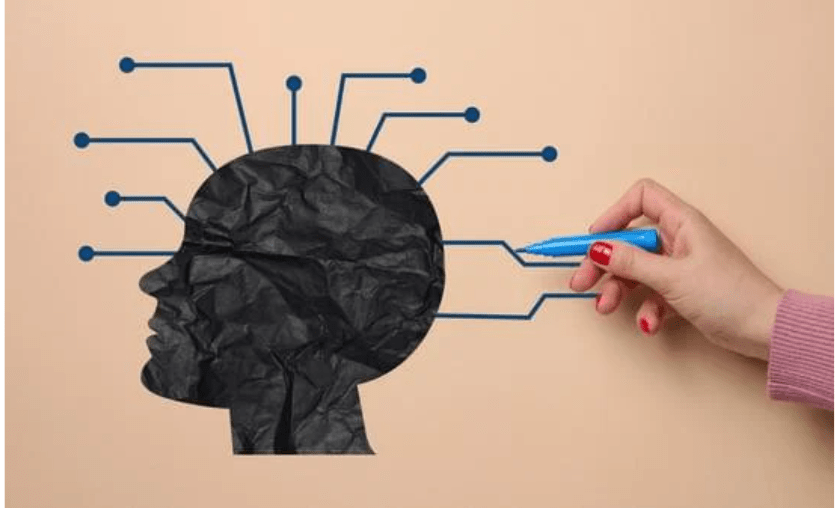
Brainspotting: Unlocking Trauma Through the Power of the Mind-Body Connection
Brainspotting, a therapeutic approach developed by Dr. David Grand, is revolutionizing the way trauma, emotional pain, and psychological issues are processed. Rooted in neuroscience, Brainspotting focuses on identifying and working with “brainspots,” specific eye positions that correlate with unresolved trauma or emotional experiences. By targeting these brainspots, this therapy allows individuals to process and release…
-

The Power of Trauma Healing Therapies for the Deaf Community: Unlocking the Benefits of EMDR, Brainspotting, and Somatic Experiencing
Trauma, particularly in the Deaf community, is often stored in ways that may not be fully understood or acknowledged by traditional therapies. Due to language and information deprivation, Deaf individuals, especially those with limited language abilities or cognitive delays, may experience trauma in ways that go beyond verbal memory. For these individuals, trauma often becomes…
-

The Importance of the Non-Verbal Healing Process: How Body and Mind Work Together to Heal Trauma
Healing from trauma is a complex and deeply personal journey. For many individuals, traditional talk therapies can be a useful tool in understanding and processing their past experiences. However, these approaches often overlook the profound role that the body and non-verbal processes play in trauma recovery. Emerging therapies such as EMDR, Brainspotting, Somatic Experiencing, and…
-

Using DBT to Support Deaf People and Their Families
Emotional dysregulation is a challenge many individuals face, but for members of the Deaf community and their families, unique cultural and linguistic barriers can intensify this struggle. Dialectical Behavior Therapy (DBT), a highly structured and evidence-based therapeutic approach, offers a powerful tool for addressing these challenges. Using the skills deficit framework, DBT can be adapted…
-
Letting Go of Shame: How EMDR Can Help Transform Self-Perception
Shame is a powerful emotion that can deeply impact how we view ourselves and navigate our relationships. It often builds up over time, layered through past experiences and interactions, becoming a part of our self-concept that can be hard to shed. For those seeking to release these burdens, EMDR (Eye Movement Desensitization and Reprocessing) offers…
-

DBT for the Deaf and Coda Communities: A Powerful Tool for Healing and Growth
Dialectical Behavior Therapy (DBT) is a proven therapeutic approach designed to help individuals with emotional dysregulation, interpersonal challenges, and distress tolerance. While DBT has proven effective across diverse populations, its potential benefits for the Deaf and Coda (Children of Deaf Adults) communities are particularly profound. These groups often face unique challenges stemming from language deprivation,…
-
Why EMDR is Transformative for Deaf Individuals
Eye Movement Desensitization and Reprocessing (EMDR) has become a highly effective, research-backed therapy for trauma, anxiety, depression, and other mental health concerns. However, for Deaf individuals, this therapy offers unique advantages that make it especially transformative. Let’s explore why EMDR is particularly well-suited for Deaf clients, providing accessible and inclusive healing opportunities. 1. Non-Verbal Processing Supports…
-

Addressing Executive Dysfunction as a Coda: A Possible Therapeutic Strategy
Not all Codas (Children of Deaf Adults) are the same or share the same experiences. Some Codas may experience executive dysfunction and this can significantly impact Codas in unique ways due to their bimodal bilingualism, early responsibilities, and often complex, trauma-influenced backgrounds. Here’s a closer look at how executive dysfunction may show up for Codas…
 the Coda Counselor